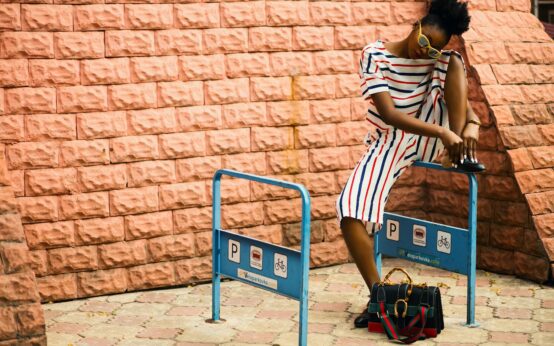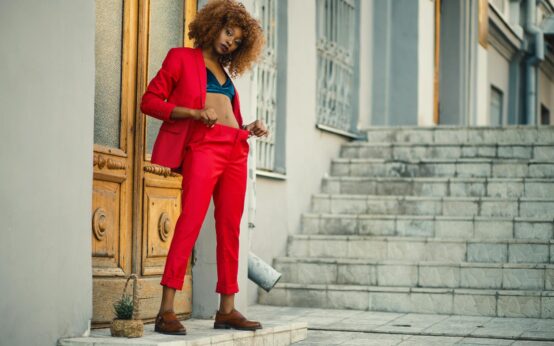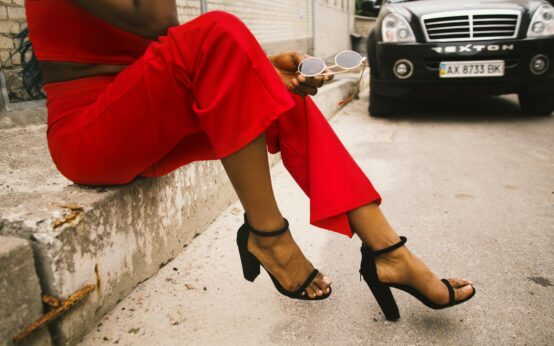
You pull on a plain white tee and your favorite jeans, glance in the mirror, and something feels unfinished. The clothes fit and the colors work, yet the outfit reads as “thrown together” rather than “put together.” This is one of the most common style frustrations, and it almost never has anything to do with the clothes themselves. The pieces are doing their job. What’s missing is the finishing layer that turns a base outfit into a complete look.
That finishing layer is accessories. A scarf, a belt, the right pair of earrings, or a well-chosen bag can take the exact same shirt-and-jeans combination and make it look intentional, polished, or even dressed up — without buying a single new garment. This guide breaks down which accessories do the heavy lifting, how each one changes an outfit, and how to use them so a small, simple wardrobe suddenly feels far bigger than it is.
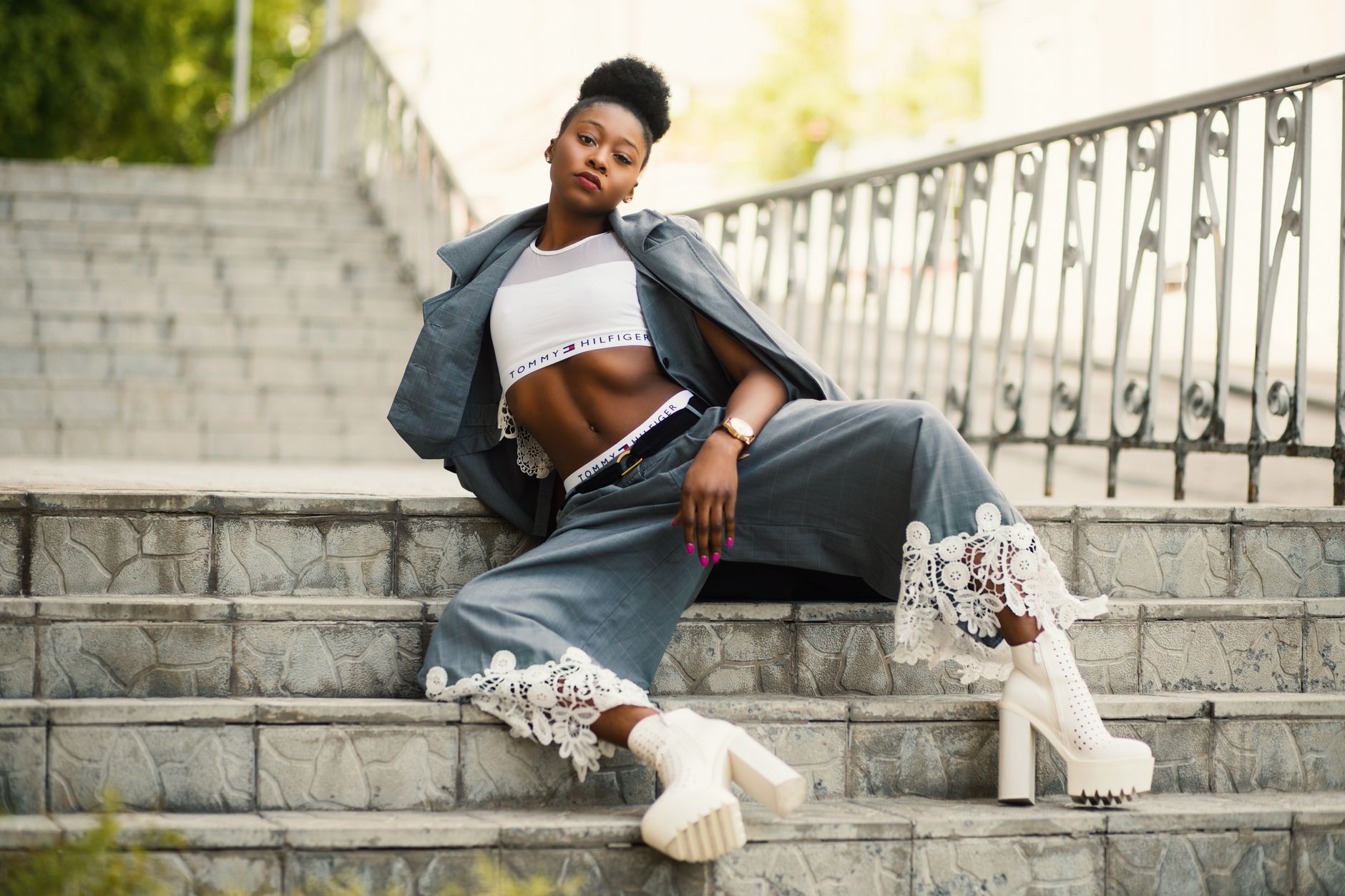
Why Accessories Carry So Much Weight
Most basic clothing is, by design, neutral and unremarkable. A plain top or a straight pair of trousers is meant to be a blank canvas — versatile and easy to pair, but rarely interesting on its own. That blankness is exactly what makes it so useful, and also exactly why it can feel flat without something to anchor the eye.
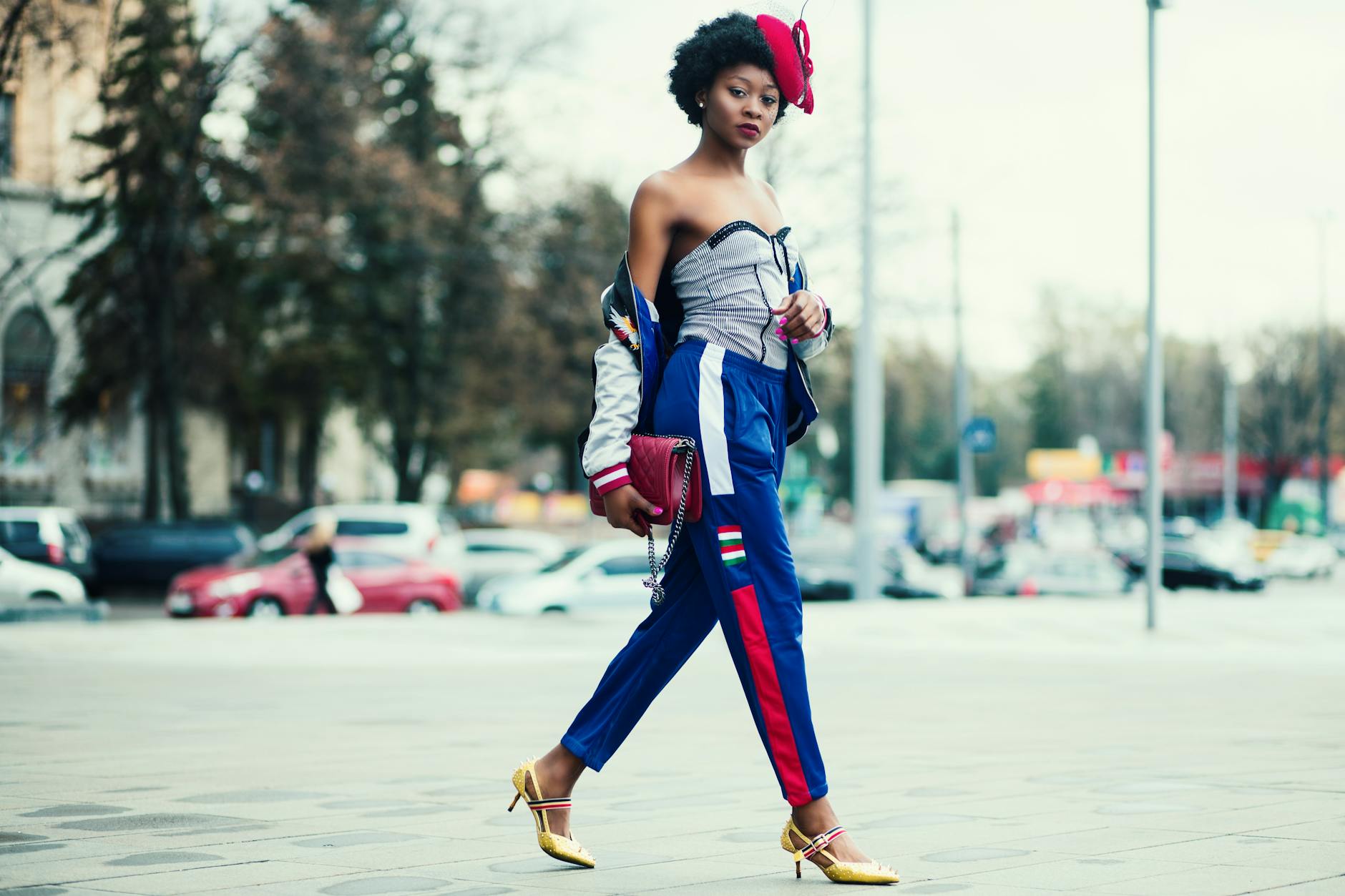
Accessories are what add that focal point. They introduce color, texture, shape, and personality at the precise moments an outfit needs it — near the face, at the waist, or at the wrists. Because they’re small, swapping them is fast and cheap, yet the visual impact is large. The same neutral base can read as relaxed, professional, or evening-ready depending entirely on what you add. In other words, accessories are where versatility actually lives.
Belts: Define the Shape
A belt is one of the most underused tools for transforming a basic outfit, because most people think of it only as something that holds up trousers. Its real power is structural: a belt creates a waistline and gives shape to pieces that would otherwise hang straight down.
- Over an oversized shirt or dress — cinching the waist instantly turns a shapeless silhouette into a deliberate one.
- A thin belt reads delicate and refined, ideal for tucked-in tops and a polished look.
- A wide belt makes a bolder statement and works well over knitwear or a coat.
- Matching the belt to your shoes or bag ties an outfit together and makes it look coordinated with almost no effort.
The trick is to treat the belt as a styling choice, not just a functional one. Even when nothing needs holding up, a belt at the natural waist signals that the outfit was assembled on purpose.
Scarves: Color, Texture, and Movement
A scarf is arguably the most flexible accessory you can own, because it changes both the color story and the texture of a look while sitting right next to your face — the area people notice first. A single neutral outfit can be restyled a dozen ways with a small collection of scarves.
Lightweight silk-style scarves add a smooth, elegant note and can be tied at the neck, knotted to a bag handle, or even used as a hair accessory. Chunkier knit scarves bring warmth and a cozy, casual texture that softens crisp basics like a button-up shirt. Because a scarf introduces pattern and color so close to the face, it’s often the fastest way to make a plain top look intentional. When in doubt, choose a scarf that picks up one of the colors already in your outfit — it will feel coordinated rather than random.
Jewelry: Small Pieces, Big Signals
Jewelry is the detail layer of an outfit, and it communicates a surprising amount about tone and occasion. The same dress can feel everyday with simple studs or evening-ready with statement earrings. You don’t need a large collection — a few well-chosen pieces cover most situations.
- Stud or small hoop earrings — quiet, everyday polish that suits almost anything.
- Statement earrings — a single bold pair can carry an entire simple outfit on its own.
- A delicate necklace draws the eye upward and fills the neckline of a plain top.
- Stacked rings or a single cuff add interest at the hands and feel personal.
A useful guideline is to let one area lead. If your earrings are bold, keep the necklace minimal or skip it; if you’re wearing a layered necklace, choose quieter earrings. Letting a single piece be the focal point keeps the look balanced instead of busy, and it makes even modest jewelry feel deliberate.
Bags and Shoes: The Outfit’s Frame
Bags and shoes sit at the edges of an outfit, but they frame everything in between and quietly set the overall register. A structured bag and clean leather-look shoes read polished and professional; a soft tote and casual sneakers read relaxed and easygoing. Keeping the same clothes but changing these two anchors can shift a look from weekend to workday.
Color matters here too. Neutral bags and shoes — black, tan, white, or grey — pair with nearly everything and stretch the furthest, which is why they’re worth prioritizing. Once you have reliable neutrals covered, a single accessory in a brighter color becomes a deliberate accent that draws attention and ties back to other pieces in the outfit. As with belts, a little coordination between bag and shoes makes the whole look feel considered without any extra effort.
How to Layer Accessories Without Overdoing It
The most common mistake isn’t using too few accessories — it’s using too many at once. When everything competes for attention, nothing stands out, and the outfit starts to feel cluttered. A few simple principles keep things balanced:
- Pick one focal point. Decide whether the scarf, the earrings, or the bag is the star, then let the rest support it.
- Echo a color, don’t match everything. Repeating one shade across two accessories looks intentional; matching all of them looks costumey.
- Balance proportion. Pair delicate jewelry with delicate pieces, and bolder accessories with simpler clothing that can carry them.
- Edit before you leave. The classic advice to remove one accessory before heading out is genuinely useful — restraint usually reads as elegance.
Think of accessories as punctuation. A sentence needs a little of it to make sense, but too much and the meaning gets lost. The goal is to guide the eye, not overwhelm it.
Frequently Asked Questions
Can accessories really make cheap clothes look more expensive?
Yes, to a meaningful degree. Well-chosen accessories add a sense of intention and polish that the eye reads as “put together.” A simple, well-fitting base paired with a thoughtful belt or scarf almost always looks more considered than expensive clothes worn with no finishing touches.
How many accessories should I wear at once?
There’s no strict rule, but a good starting point is two or three working pieces — for example, earrings, a belt, and a bag — with one of them acting as the focal point. If a look feels busy, removing one item usually solves it.
What are the most versatile accessories to start with?
A neutral belt, one or two scarves, a pair of simple earrings, and a neutral bag will carry most outfits. These basics coordinate with nearly everything and give you the widest range of looks from the smallest collection.
Do accessories need to match each other exactly?
No, and matching too perfectly can actually look stiff. Aim for coordination rather than identical pieces — echoing a single color or keeping a consistent tone (all warm metals, for instance) is enough to make a look feel cohesive.
The Takeaway
A basic outfit is meant to be a starting point, not the finished result, and accessories are how you finish it. With a belt to define the shape, a scarf for color near the face, a few pieces of jewelry for personality, and the right bag and shoes to set the tone, the same plain clothes can become a dozen different looks. Build a small set of versatile, mostly neutral accessories, learn to pick one focal point at a time, and you’ll find that the outfits you already own suddenly have far more range — no new wardrobe required.