There’s a familiar moment that arrives the night before almost every trip: the suitcase is open on the bed, half the closet is piled beside it, and somehow nothing feels like enough. We pack for the weather we fear, the events we might attend, and the version of ourselves we hope to be on vacation. The result is a heavy bag stuffed with clothes that never get worn — and a traveler who still feels they have “nothing to put on” each morning.
The fix isn’t willpower or a bigger bag. It’s a method. Packing light is really just a capsule wardrobe applied to a suitcase: a small set of pieces chosen so that everything coordinates with everything else. When your travel clothes are built to mix and match, a handful of items can carry you through a week or more of outfits. This guide walks through how to plan that compact wardrobe, what to include, and how to keep it light without feeling limited.
Why Packing Light Actually Makes Travel Easier
It’s tempting to think a fuller suitcase means more options, but the opposite is usually true. A bag overflowing with single-use outfits creates decision fatigue, slows you down at every airport and hotel, and leaves you guarding more belongings. A lean, well-planned wardrobe does the reverse: fewer choices, faster mornings, and far less to carry, lose, or repack.
The principle behind it is the same one that makes any capsule work — versatility over volume. Each piece earns its spot in the bag by pairing with several others, so the number of possible outfits grows much faster than the number of items. Ten well-chosen pieces can produce more wearable combinations than twenty random ones, and they weigh a great deal less.
There are practical upsides too, beyond a lighter shoulder. A carry-on-sized wardrobe lets you skip checked-bag lines and waits, sidesteps the small but real risk of lost luggage, and makes spontaneous changes of plan — an extra train, a different hotel — genuinely painless. Travelers who pack light tend to report that the simplicity itself becomes part of the pleasure of the trip: less to track means more attention left over for the place you came to see.
Start With the Trip, Not the Closet
Before a single item goes into the bag, picture the actual days ahead rather than the clothes you happen to own. Map out the trip honestly:
- Climate and weather — the real forecast, not the worst-case scenario you’re bracing for.
- Activities — how many days are walking and sightseeing, how many are relaxed, how many call for something dressier.
- Settings — beach, city, countryside, business, or a mix, each with its own unspoken dress code.
This quick audit is what keeps a suitcase honest. Most over-packing comes from clothes we bring “just in case” — the formal outfit for a dinner that may not happen, the third jacket for a cold snap that isn’t coming. When you pack for the trip you’re actually taking, the list shrinks on its own.
Choose One Tight Color Palette
The single biggest secret to packing light is color discipline. If every piece you bring shares a coordinated palette, then any top works with any bottom, and any layer works over the whole lot. A simple, reliable formula:
- 2 neutrals as your base — black, navy, beige, grey, or denim do most of the heavy lifting.
- 1 accent color that you genuinely enjoy and that flatters you, to keep things from looking flat.
When your base is neutral, mixing is effortless and a single accent piece can transform a familiar outfit into something fresh. This is also why a scarf, a bold top, or a colorful pair of socks can stretch a small wardrobe so far — they add variety without adding bulk. Avoid bringing a “one-off” outfit in colors that match nothing else; that’s the orphan that earns its keep for a single evening and then dead-weights your bag for the rest of the trip.
Build Around Layers, Not Bulk
One of the heaviest packing mistakes is bringing separate clothes for every temperature. A smarter approach is to dress in layers that combine, so a few thin pieces cover a wide range of conditions. A light tee under a long-sleeve shirt under a packable jacket handles far more weather than one bulky coat ever could — and each layer also works on its own.
Favor fabrics that are lightweight, breathable, and quick to recover. Merino wool, technical blends, and good cotton resist wrinkles, dry fast after a sink wash, and can often be worn more than once between launderings. That last point matters more than anything: clothes you can re-wear are clothes you don’t have to pack duplicates of, and re-wearability is the quiet engine of a light bag.
Layering also gives you control on the move. Airplanes and trains run cold, midday cities run hot, and a stack of thin pieces lets you adjust without ever digging through your bag. The same long-sleeve shirt that’s a base layer at dawn becomes a standalone top by noon and a casual layer over a tee in the evening. One garment, three roles — that flexibility is exactly what a heavy single-purpose coat can never offer.
The Core Travel Capsule Checklist
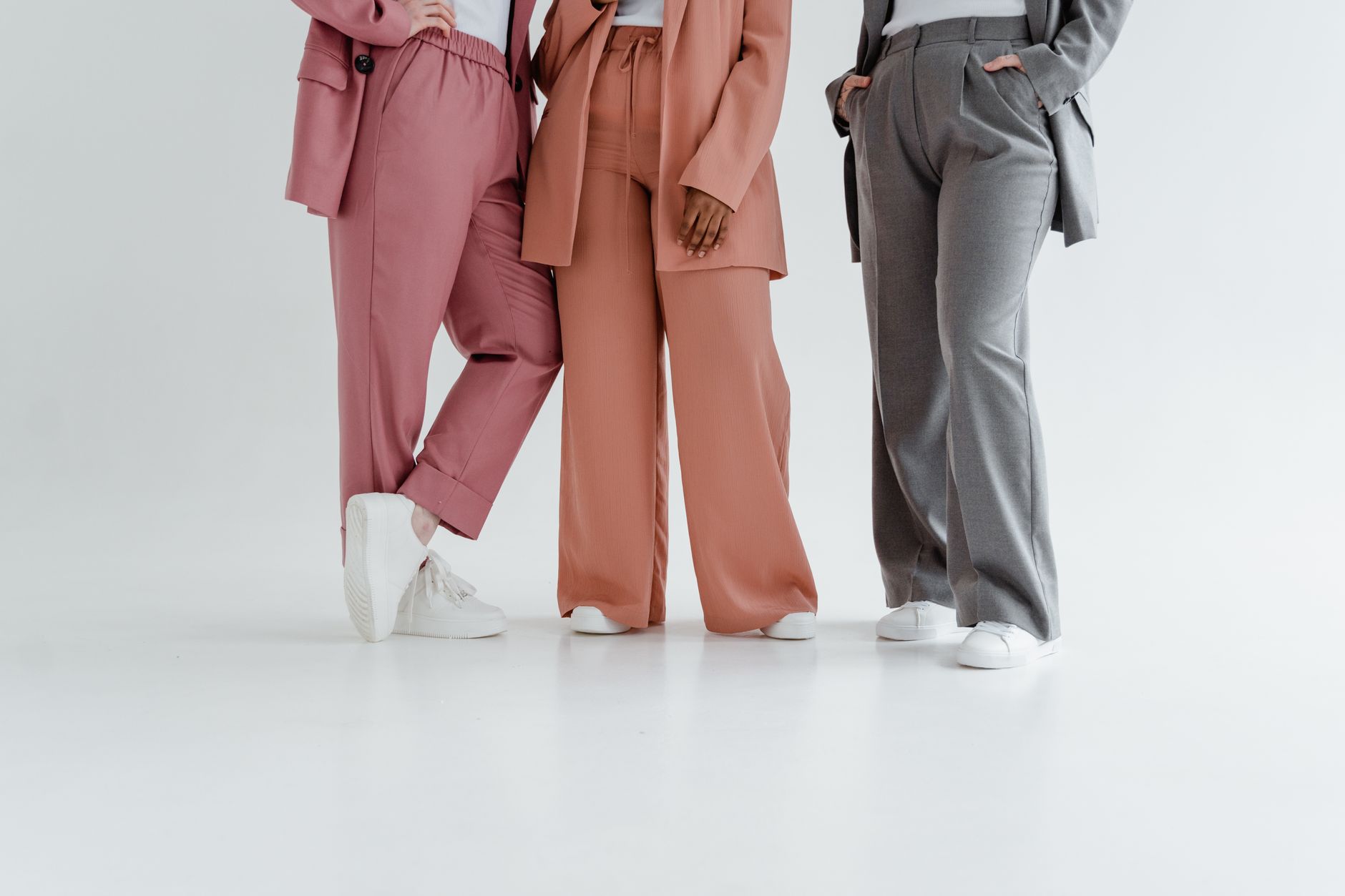
Every traveler’s list is personal, but most compact, well-functioning travel wardrobes share a similar backbone. For a roughly week-long trip, use this as a starting point and adjust for your climate and plans:
- Tops: 3–4 that mix freely — a couple of plain tees, one long-sleeve, one slightly dressier option.
- Bottoms: 2 pairs — for example one versatile trouser or jean and one lighter pair of pants or a skirt.
- Layers: 1 packable jacket and 1 cardigan or overshirt that span warm and cool moments.
- One flexible piece: a dress or set that works for both daytime and an evening out.
- Shoes: 2 pairs at most — one comfortable for walking, one that’s a touch dressier; wear the bulkier pair on travel days.
- Accessories: a scarf, a hat, and a small selection of items that restyle the basics without taking up space.
Notice the emphasis on neutral, re-wearable basics. They’re the connective tissue of the wardrobe — they let your accent piece and your accessories do the visual work, which means you can change the look of an outfit without changing the bulk of the bag.
Pack Smart, Then Maintain on the Road
Once you’ve chosen the pieces, how you pack them protects all your planning. A few habits keep a light bag light:
- Roll, don’t fold. Rolling saves space and tends to cause fewer creases than flat folding.
- Use the heaviest items on your body. Wear your bulkiest jacket and shoes while traveling rather than packing them.
- Plan to do a small wash. A quick sink rinse of a couple of items midway through a trip can cut your clothing needs nearly in half.
- Leave a little room. A bag packed to bursting has no space for the one or two things you’ll inevitably pick up along the way.
The goal isn’t to suffer through a trip with too little — it’s to arrive with exactly enough. When every item pairs with the rest and you’re prepared to re-wear and rinse, a small bag stops feeling like a sacrifice and starts feeling like freedom. You spend less time managing clothes and more time actually enjoying where you are.
Frequently Asked Questions
How many outfits should I pack for a week-long trip?
Aim to pack pieces, not outfits. Around eight to ten well-coordinated items can generate plenty of combinations for a week, especially if you plan to re-wear bottoms and do one small wash.
Won’t people notice I’m repeating clothes?
Far less than you’d think. Changing one layer, swapping a scarf, or adding an accent piece makes the same base look new. Most travelers and most strangers simply don’t track what you wore yesterday.
What’s the best way to handle shoes, since they take so much space?
Limit yourself to two pairs and wear the heavier one in transit. Choose one comfortable walking pair and one slightly dressier option in a neutral color so both work with everything you packed.
How do I pack light for unpredictable weather?
Rely on thin, combinable layers rather than separate outfits for each temperature. A tee, a long-sleeve, and a packable jacket cover a surprisingly wide range and pack down far smaller than bulky single-purpose pieces.
The Takeaway
Packing light isn’t about depriving yourself — it’s about clarity. When you plan around the trip you’re really taking, commit to one tight color palette, and build from layers and re-wearable basics, a small bag quietly out-performs an overstuffed one. You’ll move through airports faster, dress more easily each morning, and carry far less worry along with far less weight. Choose pieces that all work together, pack them with intention, and you’ll discover the same truth that every seasoned traveler eventually learns: with the right few clothes, less really is more.