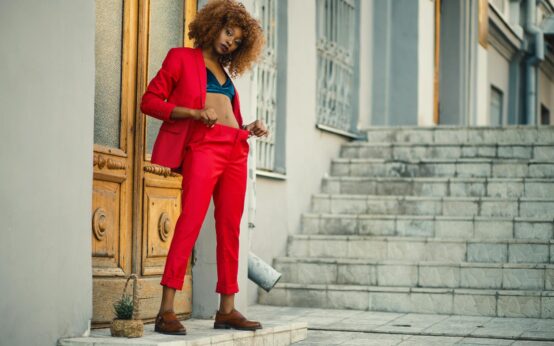
A job interview is often the moment when your wardrobe feels most inadequate. You want to look polished, capable, and like you belong in the room — but the pressure to “dress the part” can quickly turn into the assumption that you need an expensive new suit or a closet full of professional clothing you don’t yet own. For anyone job hunting, that’s a stressful and often unrealistic expectation, especially when money is already tight.
The good news is that interviewers aren’t grading the price tag on your blazer. What actually reads as professional is fit, neatness, and appropriateness for the role — all of which are entirely achievable on a modest budget. This guide breaks down how to assemble interview-ready outfits without overspending, how to read the dress code of a workplace, and how to make a small set of pieces stretch across multiple interviews.
What Interviewers Actually Notice
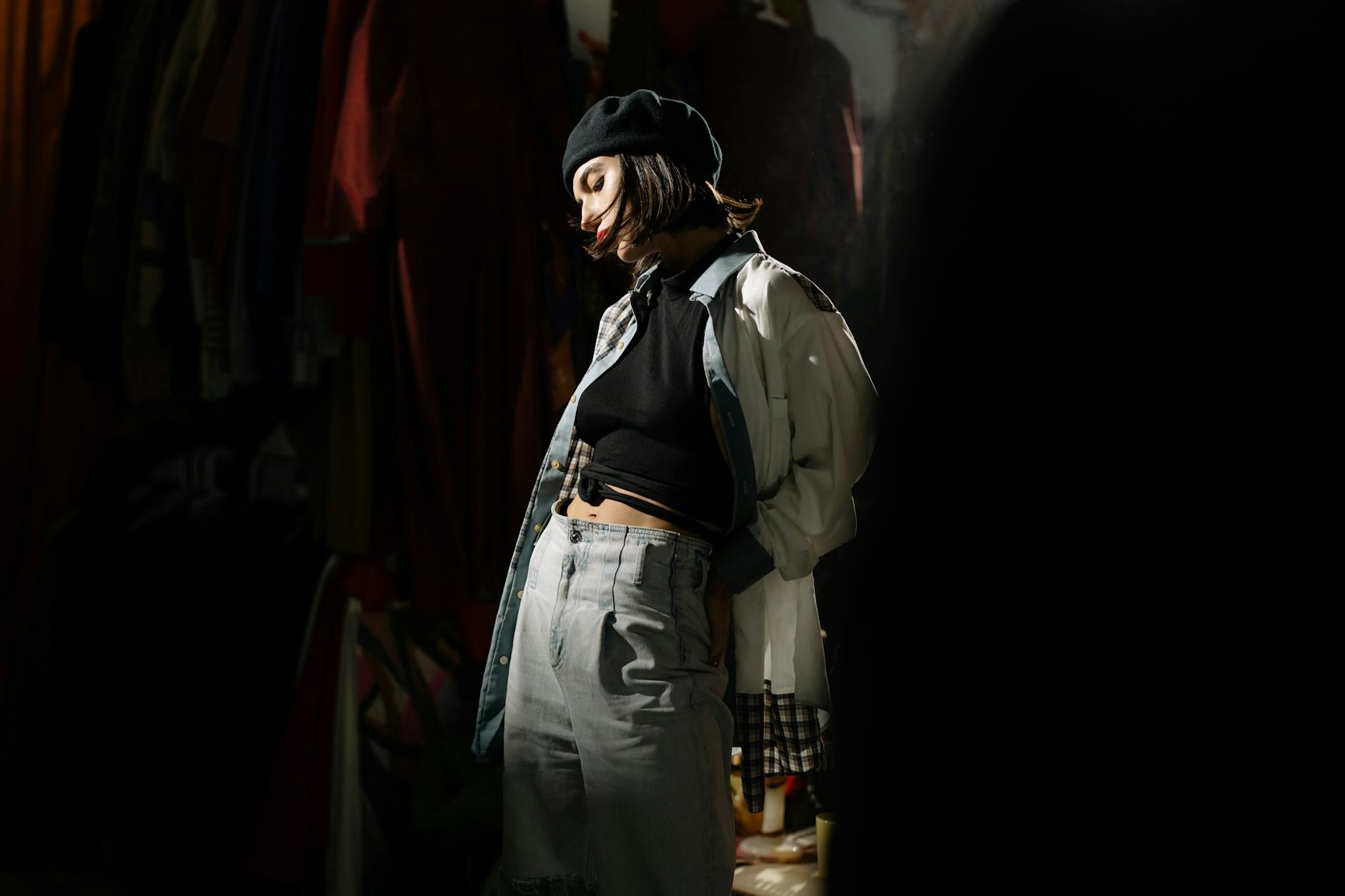
Before spending a dollar, it helps to understand what hiring managers genuinely respond to. Studies on first impressions consistently point to the same factors, and almost none of them depend on a high price tag. What people register in the first few seconds is whether you look put-together, comfortable, and suited to the environment.
In practice, that means clean, wrinkle-free clothing that fits your body, a color palette that isn’t distracting, and grooming that signals you took the occasion seriously. A well-pressed shirt from an affordable retailer makes a stronger impression than a designer piece that’s rumpled or two sizes too big. The goal isn’t to look wealthy — it’s to look like someone who pays attention to details.
It also helps to remember that an interviewer’s attention is split. They’re listening to your answers, taking notes, and forming an overall sense of whether you’d be a good colleague. An outfit that’s loud, ill-fitting, or obviously uncomfortable can quietly distract from everything you say. A simple, comfortable, well-fitted look does the opposite: it fades into the background and lets your words carry the conversation.
Decode the Dress Code First
The biggest mistake candidates make is dressing for the wrong context. A formal suit can feel out of place at a creative startup, while overly casual clothes can sink your chances at a law firm or bank. Before choosing an outfit, do a little research to gauge the expected level of formality:
- Check the company’s website and social media — photos of the team reveal a lot about everyday dress.
- Look up the industry norm — finance and law skew formal; tech, media, and retail tend to be more relaxed.
- When in doubt, dress one notch up from what you expect employees to wear day-to-day.
Matching the workplace shows social awareness and that you can picture yourself fitting in. It also saves money: if the role only calls for “smart casual,” you don’t need to invest in a full formal suit at all.
The Budget Building Blocks
Most interview-appropriate outfits are built from the same small set of versatile pieces. Rather than buying a single expensive ensemble, focus your budget on a handful of neutral basics that can be combined and reused. A practical starter kit looks like this:
- One pair of dark, well-fitting trousers in black, navy, or charcoal.
- One or two button-up shirts or simple blouses in white or a soft neutral.
- One blazer or structured cardigan that pulls the look together.
- One pair of clean, closed-toe shoes in a dark, neutral tone.
- A knee-length skirt or a second pair of trousers for variety, if your budget allows.
Stick to neutral colors and these pieces will mix into several distinct outfits. That versatility is exactly what lets you spend less — you’re buying a system, not a one-time costume. Affordable retailers and secondhand shops are full of these basics, so there’s rarely a need to pay a premium.
When you do shop, prioritize the pieces that touch the most outfits. A neutral blazer, for example, instantly elevates almost any shirt-and-trouser combination, so it earns more of your budget than a trendy item you’d wear once. Plain, classic cuts also age well — they won’t look dated by your next round of interviews, which means the money you spend keeps working long after the job search ends.
Fit and Tailoring on the Cheap
If there’s one thing that separates a budget outfit that looks expensive from one that looks cheap, it’s fit. A garment that sits correctly on your shoulders, hits at the right length, and isn’t pulling or bunching will always look more professional — regardless of what it cost. Fortunately, good fit is mostly free or very inexpensive to achieve.
Start by trying clothes on properly and choosing the size that fits your largest measurement, then adjust from there. Small alterations make a big difference: hemming trousers, taking in a waist, or shortening sleeves typically costs only a few dollars at a local tailor, and many simple fixes can be done at home with basic sewing or no-sew tape. A pressed, well-fitted look reads as careful and intentional, which is precisely the impression you want to give.
Grooming and Finishing Touches
The details around your outfit often carry as much weight as the clothes themselves, and most of them cost nothing. Clean, tidy hair, trimmed or neatly filed nails, and minimal, unobtrusive accessories all signal professionalism. The aim is to look intentional without anything that pulls focus away from your conversation.
- Keep accessories simple — one watch or a pair of small earrings is plenty.
- Go light on fragrance — strong scents can be overwhelming in a small room.
- Carry a tidy bag or folder for your resume rather than loose papers.
- Do a final mirror check for lint, stray threads, and untucked edges.
These finishing touches cost little or nothing but make the difference between an outfit that looks thrown together and one that looks deliberate. They also give you a quiet confidence boost right before you walk in.
Make One Outfit Work for Many Interviews
Job searches usually involve more than one interview, and you don’t need a different look for each. By choosing interchangeable neutral pieces, you can rotate a small wardrobe into several fresh combinations without anyone noticing the repetition. Swapping a shirt, changing the blazer, or adjusting a small accessory is enough to make the same trousers feel new.
This approach is where the real savings live. Instead of buying a complete outfit for every appointment, you invest once in a few quality basics and let them carry the entire search. Caring for those pieces — washing them gently, hanging them properly, and pressing them before each interview — keeps them looking sharp far longer and protects the small investment you made.
It also pays to plan ahead. Lay out your outfit the night before so you’re not scrambling on the morning of an interview, and keep a small kit handy with a lint roller, a spare button, and a stain-remover pen. These tiny habits cost almost nothing but spare you the stress of a last-minute wardrobe emergency — and they ensure that whichever combination you pick is always ready to make a clean, confident first impression.
Frequently Asked Questions
Do I really need a full suit for every interview?
No. A suit is appropriate for formal industries like finance or law, but many workplaces expect “business casual,” where well-fitting trousers and a neat shirt or blazer are perfectly suitable. Always match the company’s culture rather than defaulting to the most formal option.
What colors are safest for an interview?
Neutrals like navy, charcoal, black, white, and soft grey are reliable because they read as professional and pair easily with one another. A small touch of muted color is fine, but avoid loud patterns that distract from the conversation.
Can secondhand or thrifted clothes look professional?
Absolutely. Many high-quality professional pieces end up in thrift and consignment shops barely worn. As long as the item fits well, is clean, and is pressed, no one can tell where it came from — and you’ll have spent a fraction of the retail price.
How can I look polished if I can’t afford tailoring?
Focus on fit when you buy, choosing the size that suits your frame, and use inexpensive fixes like no-sew hem tape, a belt to define the waist, or a good steam to remove wrinkles. Neatness and pressing do most of the work for free.
The Takeaway
Dressing for a job interview on a budget isn’t about faking wealth — it’s about looking intentional. Interviewers respond to fit, neatness, and appropriateness far more than to brand names or price tags. When you decode the workplace dress code, invest in a few versatile neutral basics, and pay attention to fit and grooming, you can present yourself as a confident professional for very little money. Build a small, well-cared-for kit, and it will carry you through interview after interview — looking sharp every time, without breaking the bank.